
IAMD COE Successfully Concludes Its Fifth Annual Conference
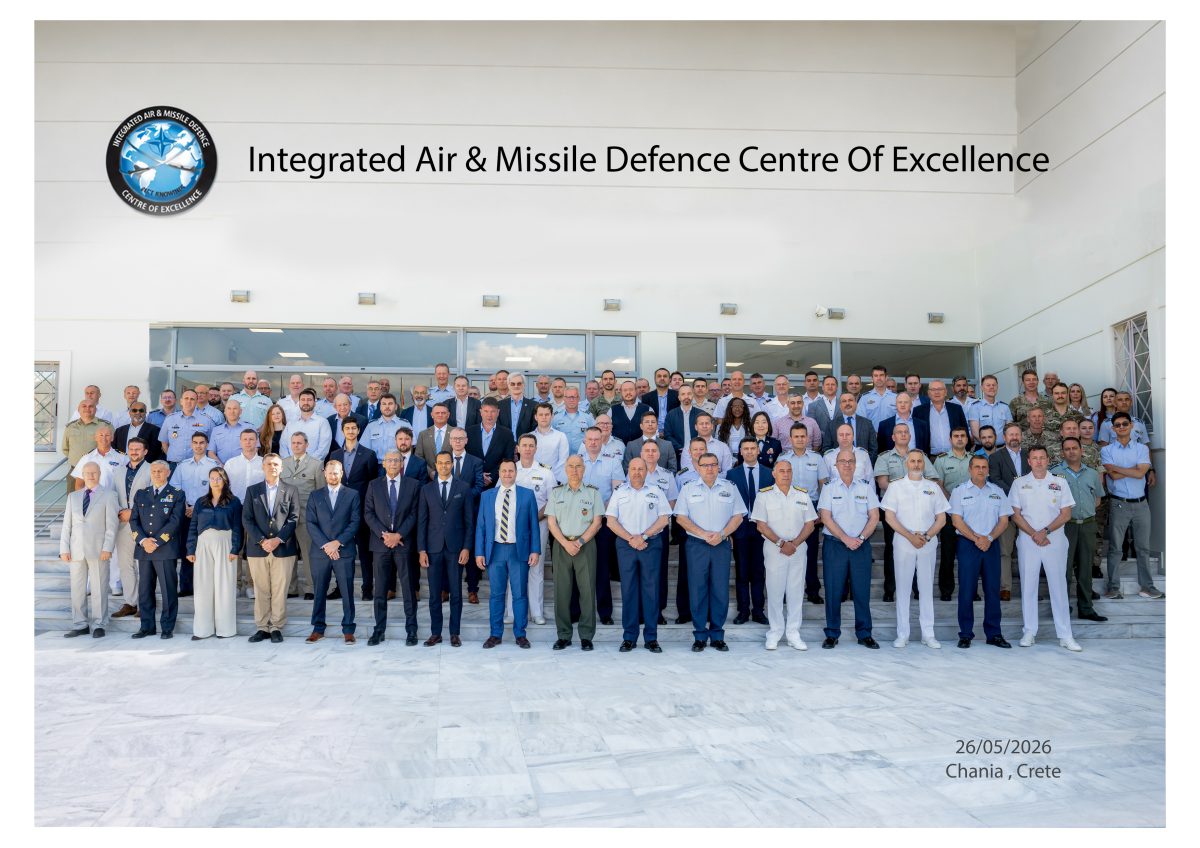
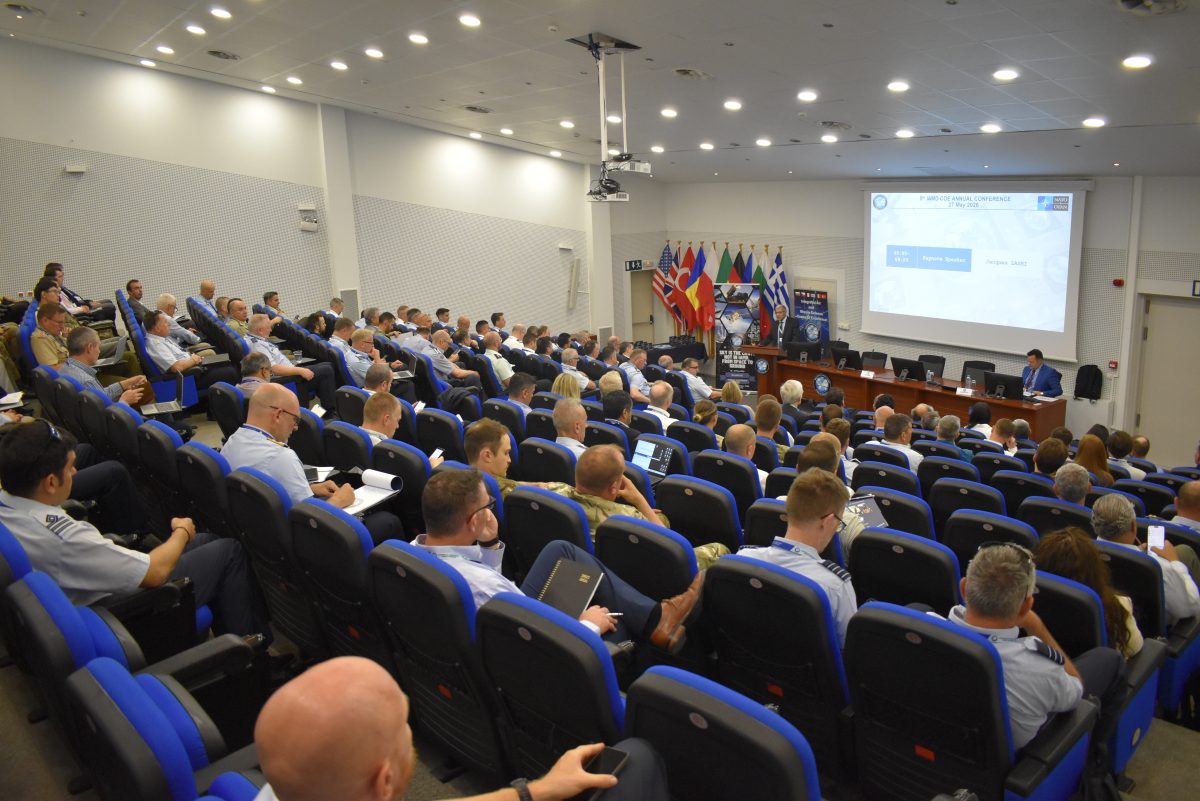
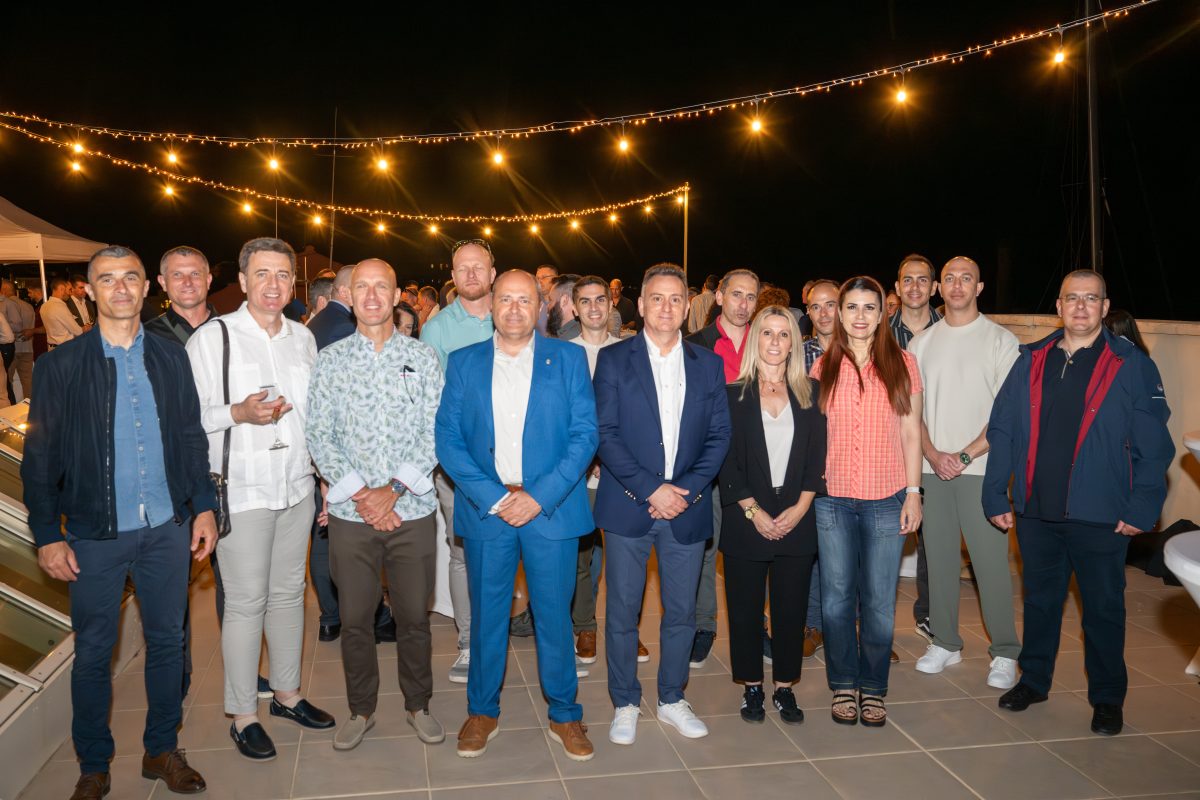
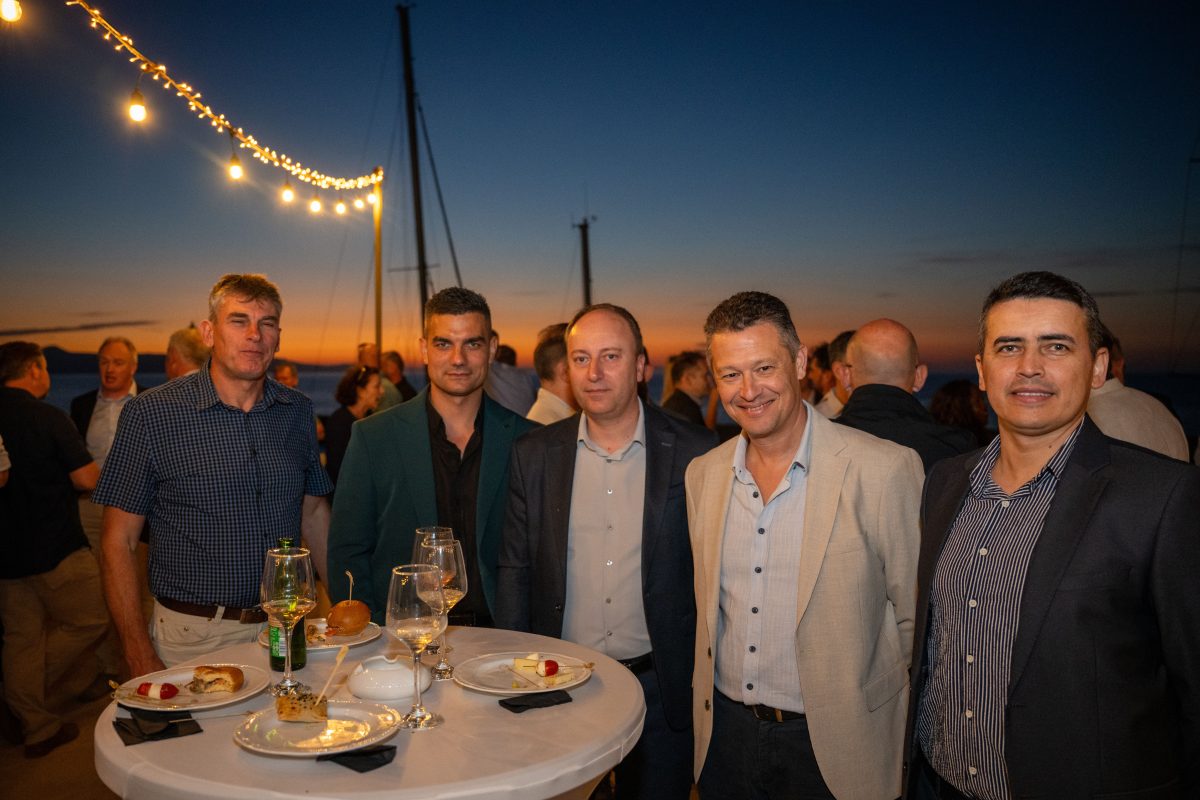
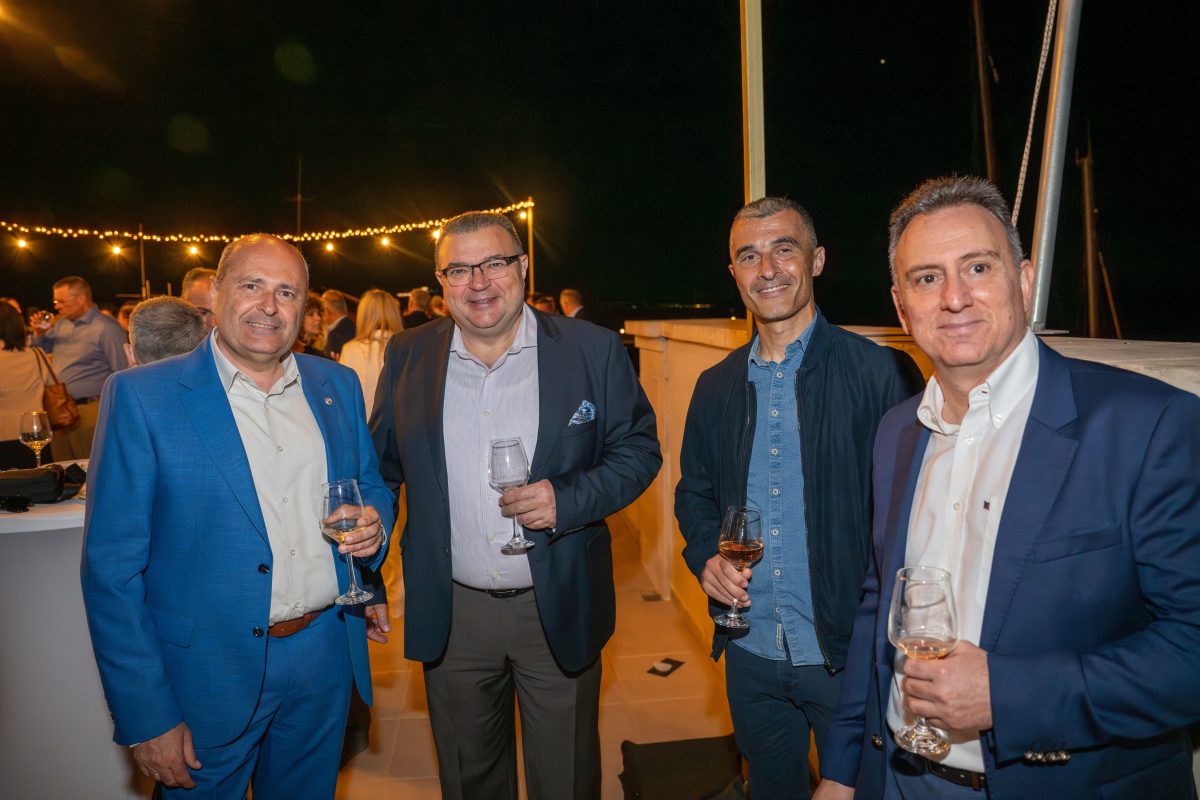
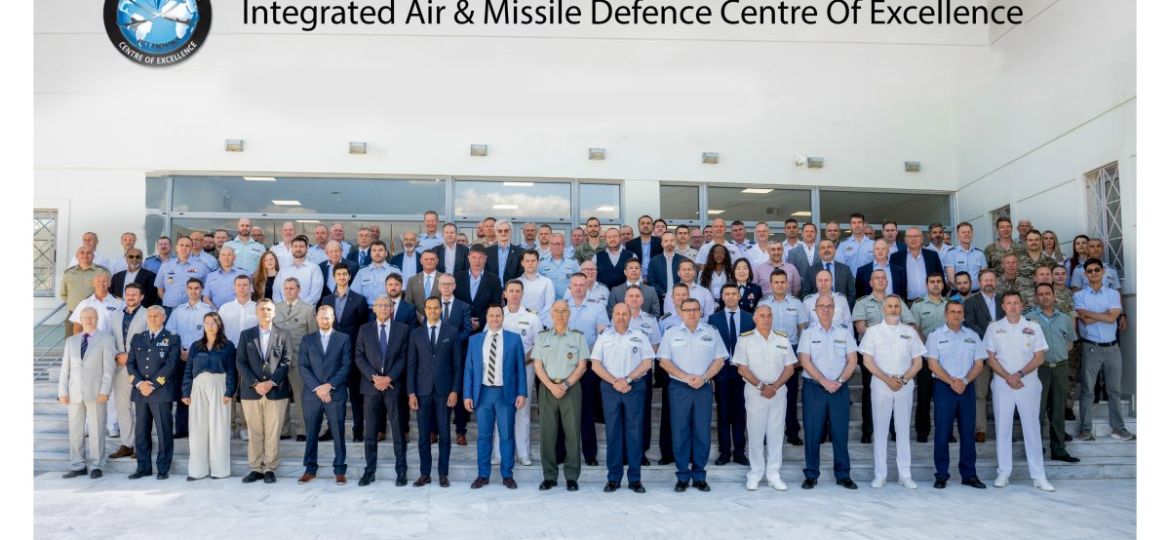
The Integrated Air and Missile Defence Centre of Excellence successfully concluded its Fifth Annual Conference, held on 26 and 27 May, bringing together high-level speakers and participants to discuss the future of Integrated Air and Missile Defence in an increasingly complex security environment.
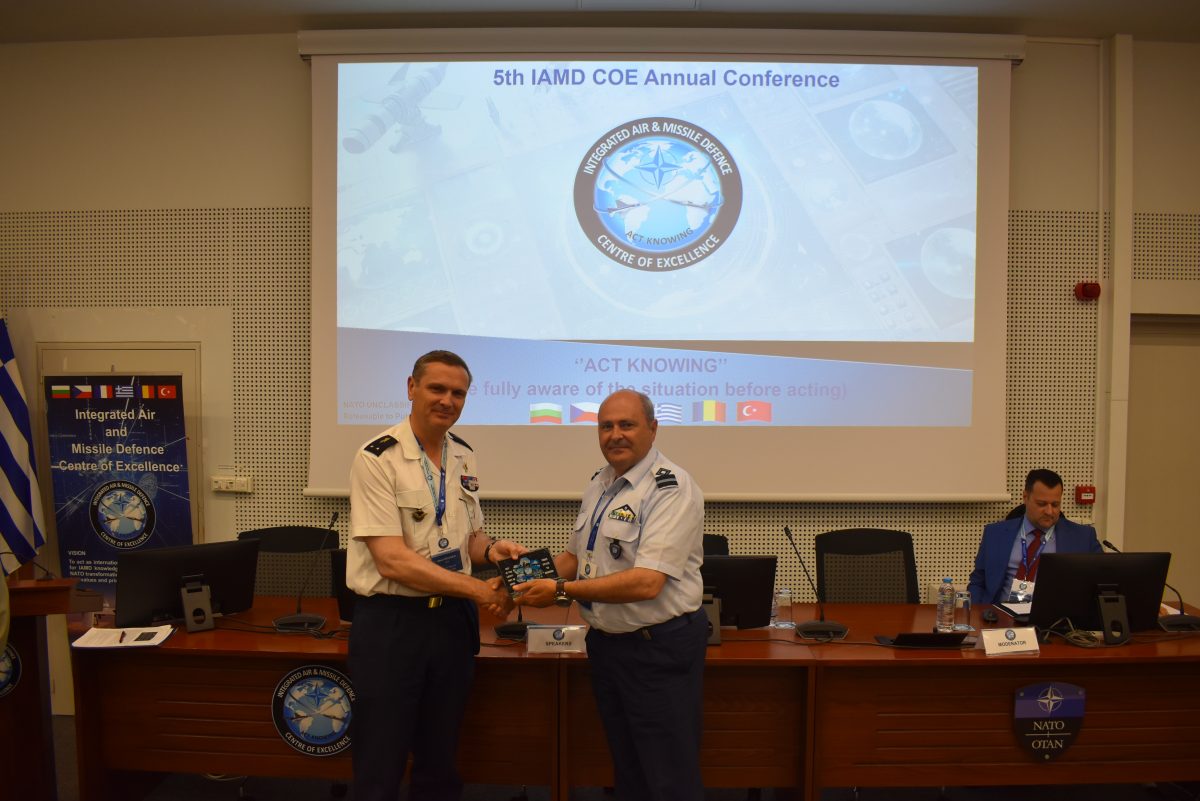
The Conference was officially opened by the Director of the Air Defence Branch of the Hellenic National Defence General Staff, Major General Stefanos AMPOULERIS, who delivered the Host Nation’s opening remarks. In his welcome address, the IAMD COE Director, Brigadier General Zacharias KOUTRAKIS GRC (AF), presented the Centre’s significant achievements since the previous Conference and underlined the importance of exploiting the Synthetic Environment to strengthen the credibility and effectiveness of NATO’s deterrence and defence posture.
Across two days of presentations and discussions, the Conference highlighted the rapid evolution of the modern security environment. Hypersonic systems, manoeuvrable ballistic missiles, cruise missiles, drones, electronic warfare, cyber threats and space-enabled capabilities are reshaping the way Allies and partners approach deterrence, defence and operational readiness.
The governing idea of the Conference was Integrated Air and Missile Defence is no longer a defensive military function, but a strategic ecosystem that connects advanced technology, command and control, sustainment, energy resilience, operational testing, interoperability, industrial capacity and international cooperation.
The first day focused on integration, resilience and interoperability. Speakers addressed the role of artificial intelligence in supporting faster and better-informed decision-making, the importance of predictive maintenance for operational readiness, and the need for resilient energy systems to support modern defence architectures. Discussions also examined upper-layer ballistic missile defence, modular ground-based air defence, NATO and European cooperation, and the importance of proving interoperability through exercises, evaluation and certification.
The second day expanded the discussion to the emerging connection between air, space, cyber and missile defence. Participants explored hypersonic threats, higher airspace operations, space-based situational awareness and the lessons emerging from the war in Ukraine. The discussions emphasized that future defence will depend not only on advanced systems, but also on resilience, adaptability, affordable countermeasures, rapid innovation and multinational cooperation.
The Conference reaffirmed the IAMD COE’s role as a platform for professional exchange, strategic dialogue and forward thinking on one of the Alliance’s most critical missions. It also delivered a clear message: the future of Integrated Air and Missile Defence will be defined by the ability to integrate faster than threats evolve, cooperate more effectively across nations and domains, and build resilient defence architectures capable of adapting to tomorrow’s challenges.
The IAMD COE Fifth Annual Conference offered a strong vision for the future of defence — integrated, adaptive, resilient and collective